Products / Food

Did you know beef is eating into food companies' profits?

The beef supply chain has four links from farm to table. Right now, rising costs get passed down the chain until they stop at one link.

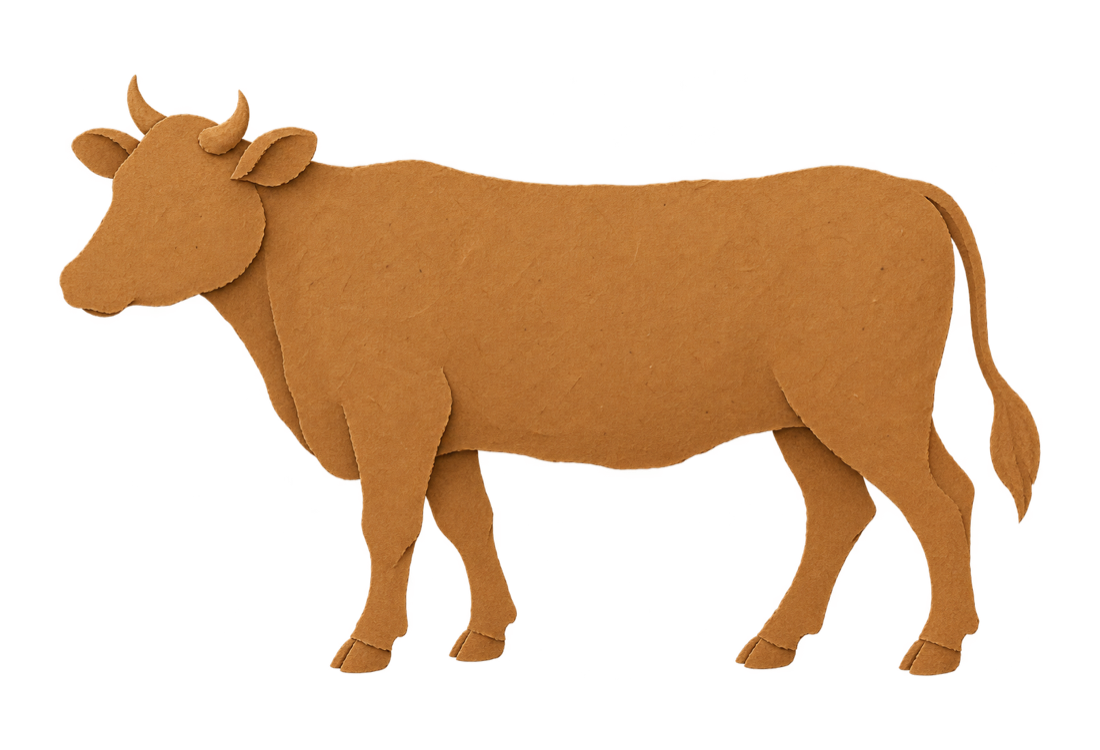
Farms

+33%
Cattle raising costs, over 8 years

Feed, fertilizer and energy prices have risen. Calf prices are up 263%.

Pass the cost on
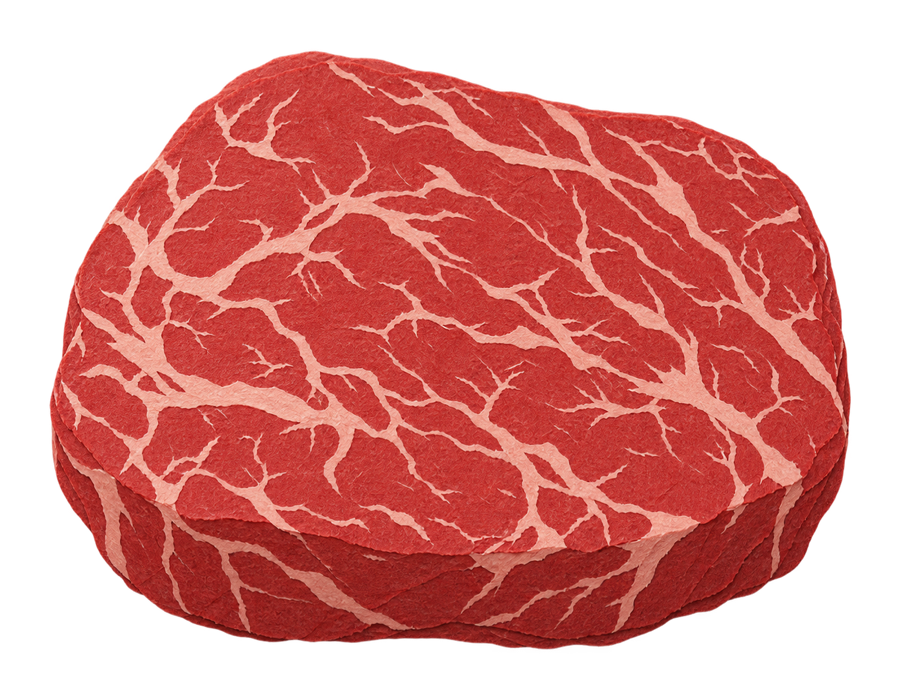
Meat packers

18% → -4.6%
Tyson beef segment operating margin

The largest US meat packer is losing money on beef. The industry operating margin is at a record low of 2.7%.

Pass the cost on
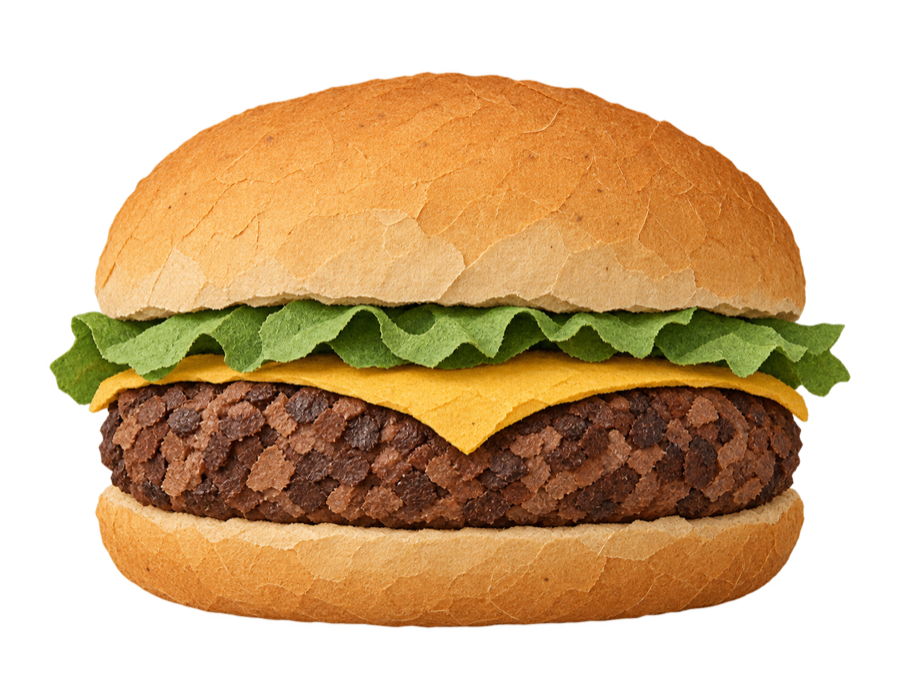
Food makers, restaurants

+72%
Ground beef purchase price, over 5 years (US)

Ingredient costs went up, but menu prices cannot rise as much. The higher cost stops here.

Cannot pass it on

Consumers

Refuse
price increases

They want better meat without paying more.

Farms raise prices, and so do meat packers. Consumers refuse to pay more. The losses pile up at food makers and restaurant companies.

Supply cannot grow either

By 2035, beef wholesale prices will double

Cattle herds are shrinking in Brazil, the US, the EU, Australia and China at the same time. Livestock profitability has been falling for 30 years, so farms are not adding cattle. Waiting will not solve this.

Burger KingPlant-based patty share from 5% to 20%, sales up 3 to 5%
Tyson, JBSDeveloping hybrid products that blend meat with alternative proteins
Cargill, NestleInvesting in and acquiring cultivated meat and plant-based meat companies

That is why global food companies are already moving to use less beef.

$8.6Today
$12.32030
$18.92035

Global average beef wholesale price (USD/kg). Sources: BCG 2025, USDA ERS

Food

Cultivated Hanwoo beef

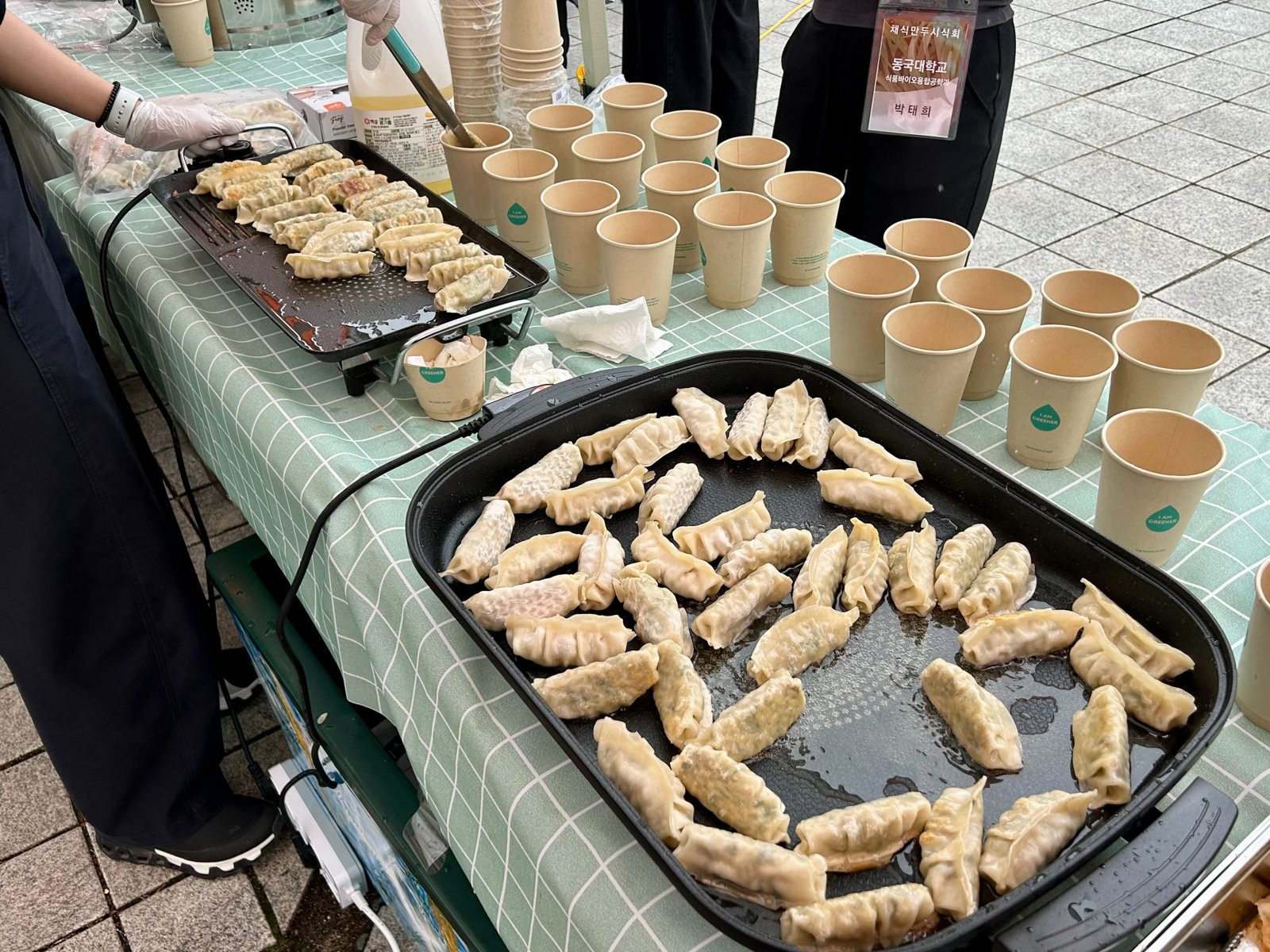
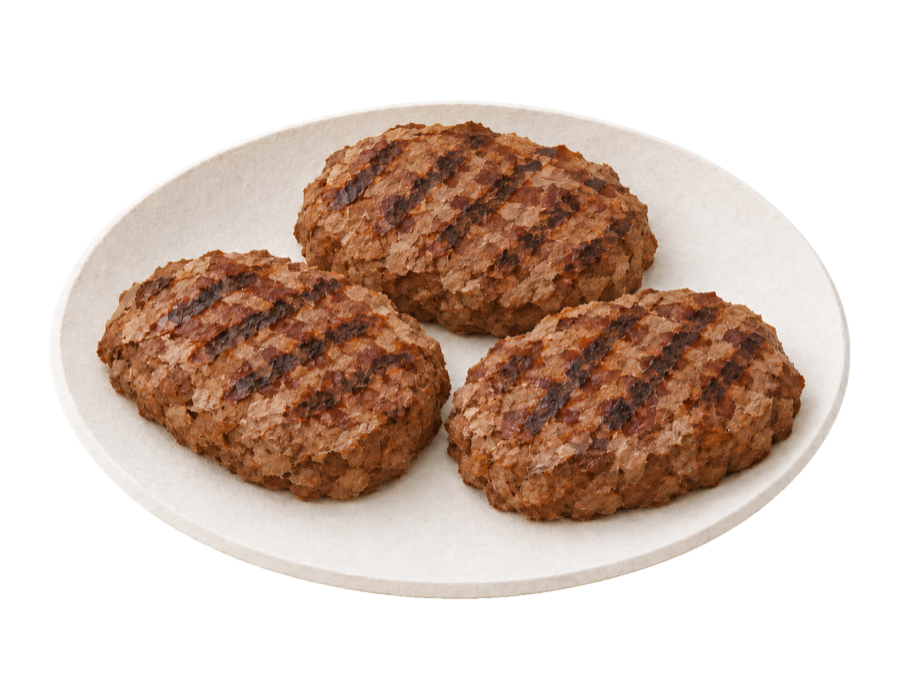
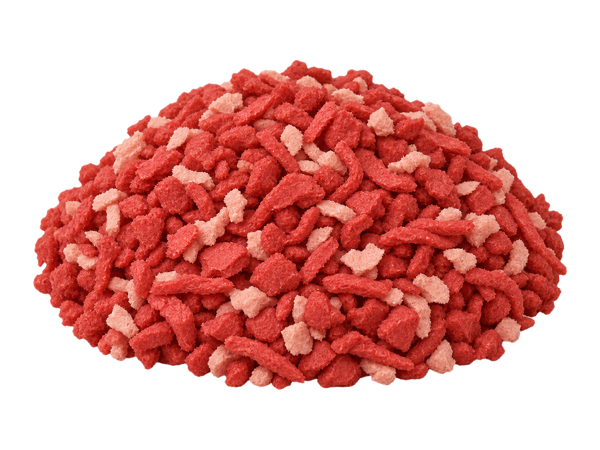
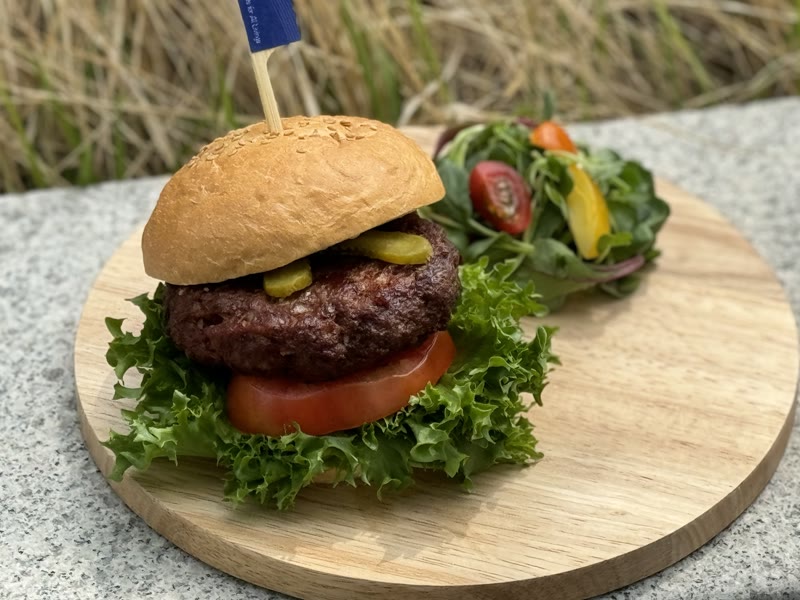
An ingredient for ground meat products, made from muscle cells and fat cells. We run batches for regulatory approval at our Uiseong production facility. We served cultivated meat mandu dumplings and meatballs at a dumpling tasting held with Dongguk University (2026.5, 1,000 servings) and at the Korea Biotechnology Industry Organization Bio Food Media Day (2026.8).

Cultivated meat mandu tasting
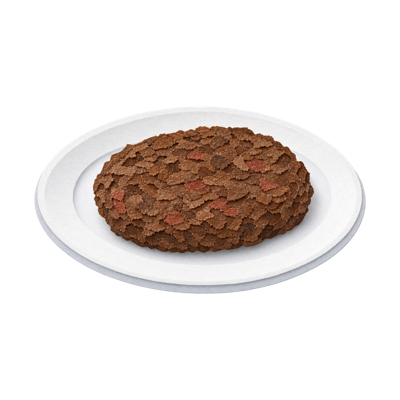
Burger pattiesBurger patties
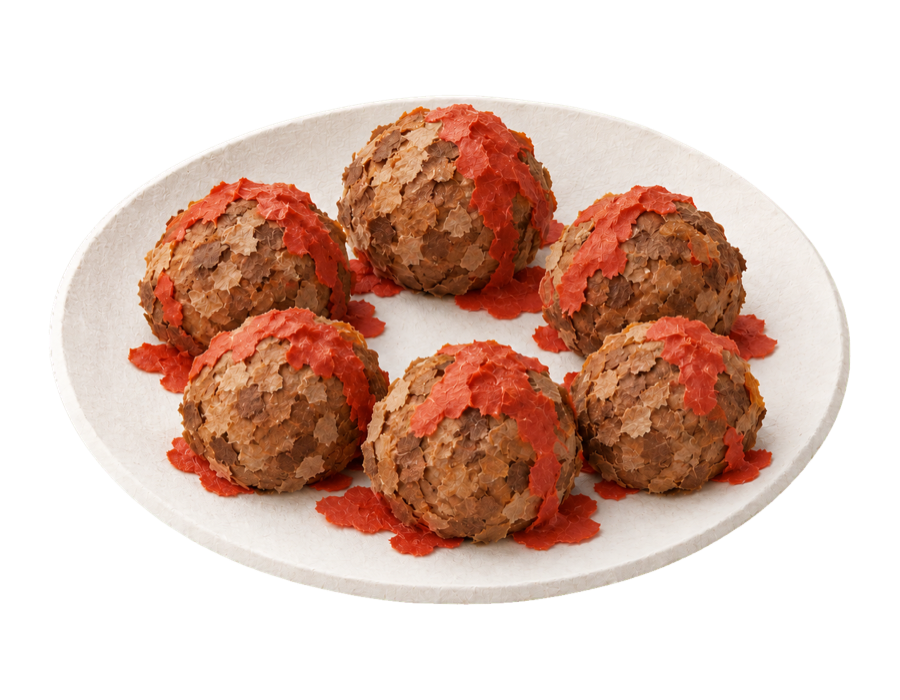
MeatballsMeatballs
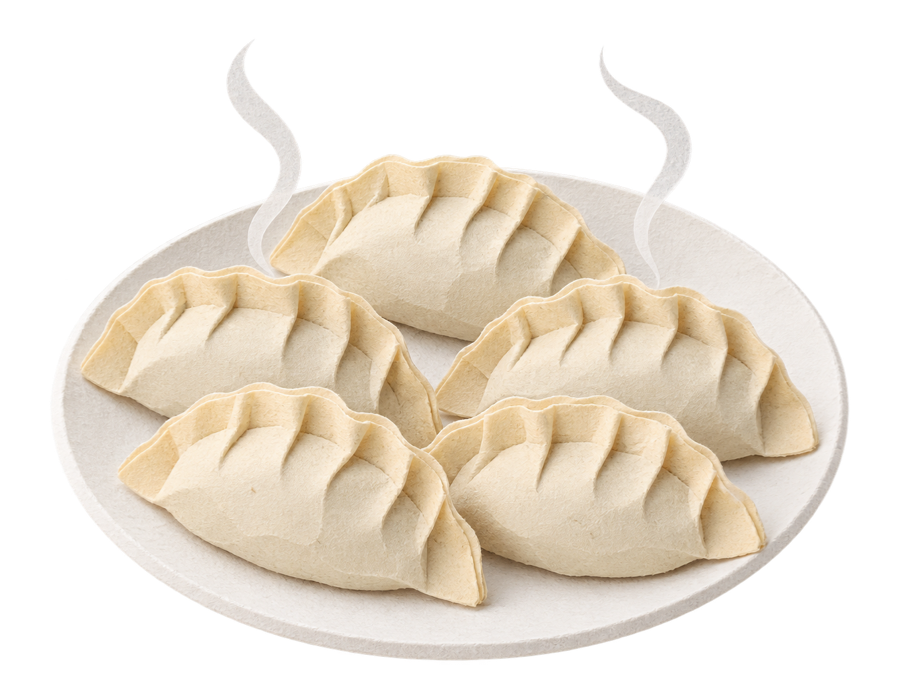
Mandu dumplingsMandu dumplings
TteokgalbiTteokgalbi
Nutrition design

The same protein as conventional meat, plus dietary fiber

The amino acid profile is nearly identical to conventional meat, including methionine and threonine, which plant-based meat often lacks. The alginate scaffold is a soluble dietary fiber: it increases satiety and reduces fat absorption without affecting protein absorption.

Low calorieLow saturated fatHigh fiberHigh protein
Try culturing it yourself

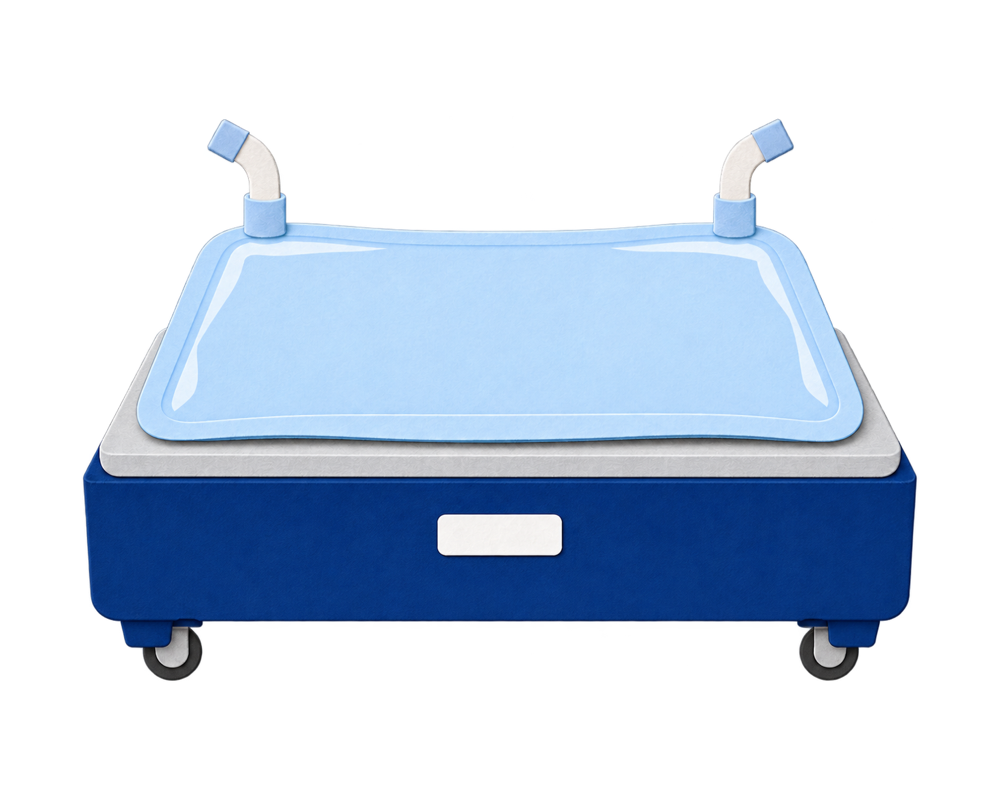
Pick cells and put them in the bioreactor

Tap a cell to add it to the bioreactor. The meat you get two weeks later depends on the cut and the fat ratio.

Cell bank
Up to 6. Beyond that, the first cell added is removed
Tap a cell in the bioreactor to remove it
Pick cells from the cell bank
and add them to the bioreactor

Protein
Fat
Calories
Fiber
An illustration of how the blend shifts the profile. Actual composition is confirmed by batch analysis.
For consumers

How is it different from conventional meat?

The cells are the same Hanwoo cells. What differs is how they are grown, and what that lets you know.

Conventional meatCultivated Hanwoo beef
Production time3 years of raising2 weeks of culture, 3 weeks to product
SlaughterRequiredNone. One cell isolation supports ongoing production
WastewaterProducedNone
TraceabilityTracked per animalTracked per cell. Donor animal, cut and cell bank entry date are all disclosed
NutritionFixed by the cutLow calorie, low saturated fat, high fiber, high protein
Cut choiceFixed amounts per animalChoose tenderloin, sirloin, round or shank cells to culture

Cells in culture now

We disclose which animal and which cut the cells come from, and when they entered the cell bank.
Breed
Hanwoo
Cell types
Muscle cells, fat cells
Cut
Tenderloin
Donor animal
-
Slaughter date, site
-
Cell bank entry
2025.09
Culture site
Uiseong production facility, 1,500L line